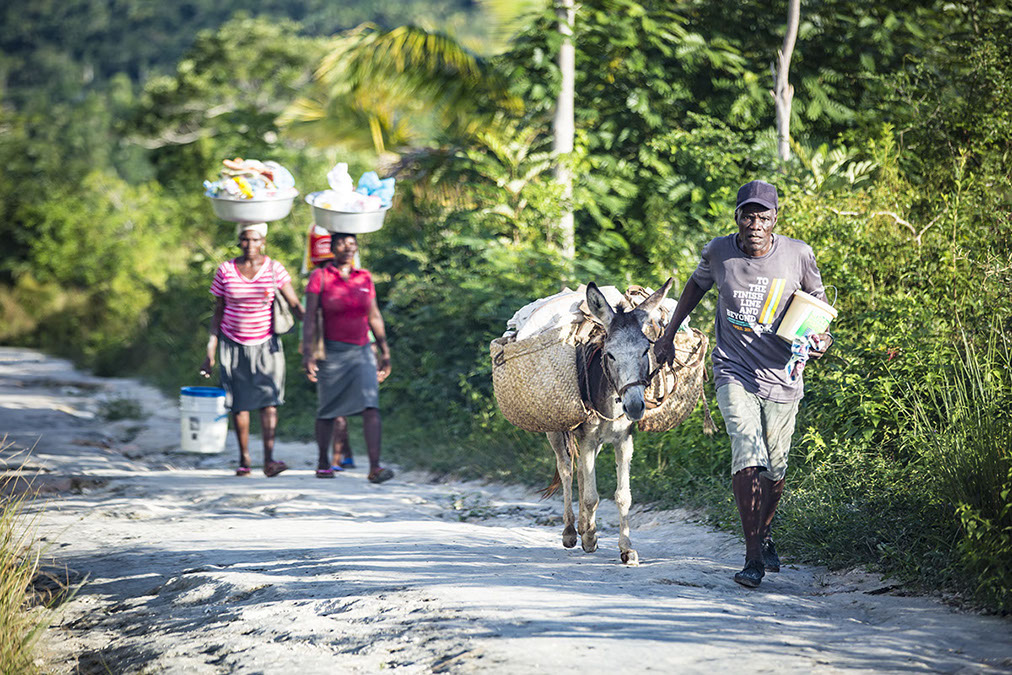
The Haitian Diaspora Today
Figures from the diaspora are active in advocacy, politics, and international development
The Haitian Diaspora refers to the global community of Haitians and their descendants living outside Haiti, spread across regions such as North America, the Caribbean, Europe, and parts of Latin America and Africa. This diaspora emerged primarily through waves of migration driven by historical, political, and economic factors.
Sample quote positioning with larger typography.
The earliest significant Haitian migration began after the Haitian Revolution (1791–1804)—the first successful slave revolt that established Haiti as the world’s first Black republic. Many Haitians fled to neighboring islands and countries during and after the revolution. Later emigration waves occurred throughout the 20th century, particularly during periods of political instability (such as under François and Jean-Claude Duvalier’s rule) and economic hardship.
Today, substantial Haitian communities exist in the United States (notably in Florida, New York, Massachusetts, and New Jersey), Canada (especially Montreal), France, and various Caribbean nations including the Dominican Republic, the Bahamas, and Cuba.
These communities play a vital role in both host and home countries. Remittances sent back to Haiti represent a significant portion of its national GDP, helping sustain families and local economies.
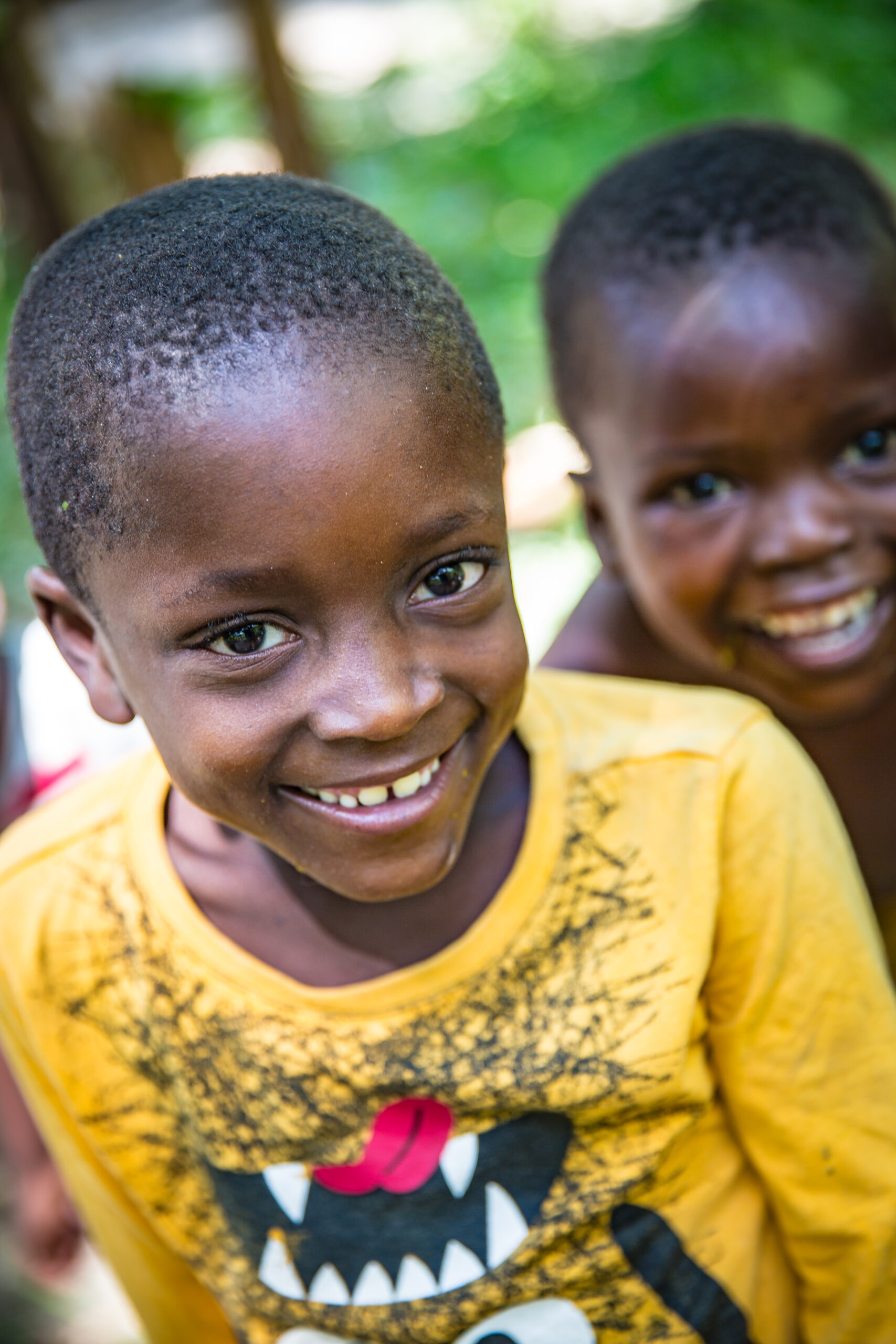
Culturally, the Haitian Diaspora has enriched global society through art, music, cuisine, and intellectual contributions. Figures from the diaspora are active in advocacy, politics, and international development, often working toward improving Haiti’s social and economic conditions while also preserving a deep sense of identity and pride in Haiti’s revolutionary heritage.
The Haitian Diaspora stands as a testament to resilience, creativity, and the enduring desire for connection to the homeland—demonstrating how migration can shape both personal and national identity in powerful ways.