‒‒ RESEARCH SUMMARY ‒‒
CLM: Impact on Children
Summary Report – November 2019
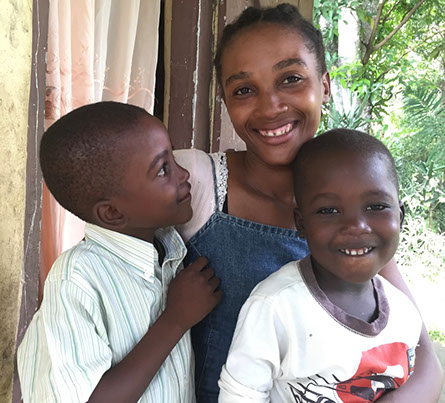
Fonkoze’s Chemen Lavi Miyò (CLM) program has succeeded consistently at helping families take the first steps out of extreme poverty. More than 7000 families have participated in the 18-month program since it was piloted starting in 2007, and over 96% of the families who complete the program have met or exceeded its simple graduation criteria, which include the following:
- They are eating hot meals every day,
- They have at least two forms of income and a proven ability to increase what they have,
- They have a good tin roof over their heads, and
- They have a plan for the future and the confidence to know they can succeed.
Evidence both from Haiti and from similar programs elsewhere in the world suggests that the progress families make can be lasting. Research shows sustained or even increased progress five or more years after families complete the program. But the true measure of the program’s long-term success is the impact on participants’ children. Fonkoze’s research partner, England’s Institute of Development Studies, conducted before and after surveys of 600 participating families and 750 non-participants to gain insight into the difference the program makes. A complementary study of a large number of detailed participant profiles added nuance to the finding. Results of the study were both encouraging and instructive. The program was found to impact key indicators of child well-being significant. In addition to the improvements in nutrition that were direct consequences of increases in income, the program significantly improved important child development factors like maternal mental health and school attendance rates. The research also points to ways that Fonkoze’s team can look to improve the effect it has on child development. Increasing its focus on nutrition education and putting a greater focus on parenting skills, especially as they relate to children ages 2-5, could contribute to even greater impacts. To read the full report on the study, go here. For more information about the Fonkoze-IDS research program on CLM, visit www.ids.ac.uk/projects/haitian-graduation-research/
Evidence both from Haiti and from similar programs elsewhere in the world suggests that the progress families make can be lasting. Research shows sustained or even increased progress five or more years after families complete the program.
But the true measure of the program’s long-term success is the impact on participants’ children.
Fonkoze’s research partner, England’s Institute of Development Studies, conducted before and after surveys of 600 participating families and 750 non-participants to gain insight into the difference the program makes. A complementary study of a large number of detailed participant profiles added nuance to the finding.
Results of the study were both encouraging and instructive. The program was found to impact key indicators of child well-being significant. In addition to the improvements in nutrition that were direct consequences of increases in income, the program significantly improved important child development factors like maternal mental health and school attendance rates.
The research also points to ways that Fonkoze’s team can look to improve the effect it has on child development. Increasing its focus on nutrition education and putting a greater focus on parenting skills, especially as they relate to children ages 2-5, could contribute to even greater impacts. To read the full report on the study, go here.
For more information about the Fonkoze-IDS research program on CLM, visit www.ids.ac.uk/projects/haitian-graduation-research/
Stay connected.
Sign up below to receive stories of inspiration, news updates and more! First Name Last Name Email
Sign up below to receive stories of inspiration, news updates and more!
First Name Last Name Email